How Can You Make Money Selling Wholesale Makeup Products?
Making money in the beauty industry is not about luck. It is about understanding supply chains, controlling costs, and building a smart product structure. Many beginners think selling cosmetics is simply about opening a shop and listing products online. In reality, the true profit comes from sourcing and positioning. If you understand how to buy Wholesale Makeup Products at the right price and combine them with the right complementary items, the beauty business can become one of the most profitable retail industries.
The demand for beauty products continues to grow every year. Consumers buy cosmetics not only for necessity but also for self-expression, confidence, and lifestyle. From skincare and makeup to perfume, hair products, and nail accessories, every category in the beauty market has its own loyal customers. Sellers who understand how to leverage wholesale channels can transform these demands into consistent income.
The secret is simple: control your supply chain, diversify your product portfolio, and always stay ahead of market trends.
Building Profit Through Wholesale Purchasing
Every successful beauty business starts with a strong purchasing strategy. Retail price alone does not determine profitability. The real key is the difference between the retail price and your sourcing cost. This is why buying Wholesale Makeup Products is the foundation of a profitable cosmetics business.
Wholesale purchasing allows retailers to obtain products at significantly lower prices compared to retail sourcing. When buying in bulk or through professional distributors, the cost per unit can drop dramatically. This price advantage allows sellers to maintain healthy profit margins even when offering promotions or discounts.
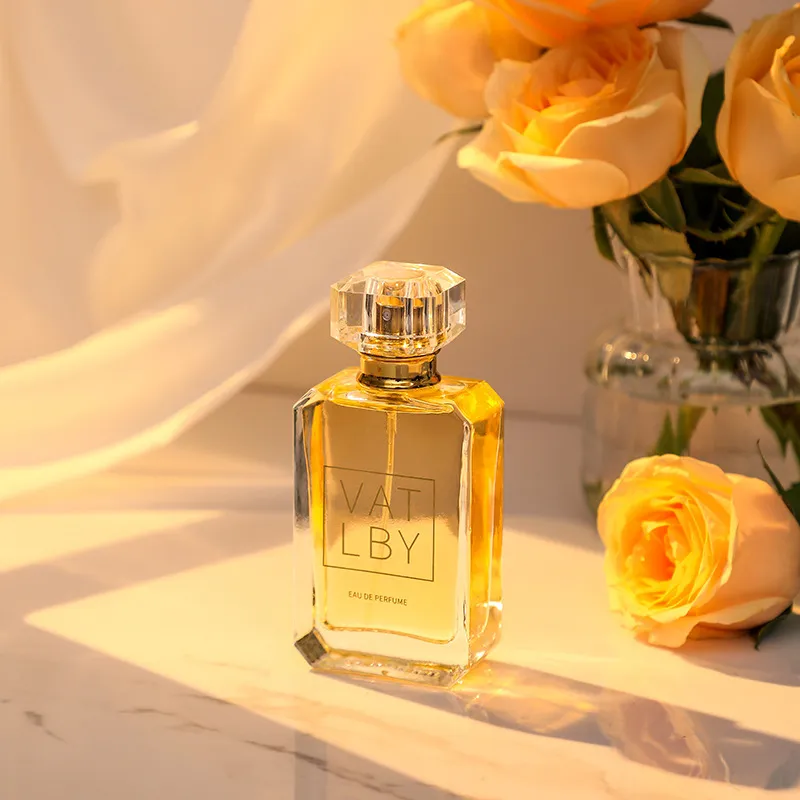
Perfume is a perfect example of a high-margin beauty product. Many beauty stores increase their profits by selling fragrances purchased through Wholesale Perfume channels. Fragrance products often carry strong brand value, which means customers are willing to pay premium prices.
Within the fragrance market, different customer groups create separate demand segments. Male consumers often prefer woody, musky, or spicy scents, making Wholesale Men's Perfume a reliable product category for retailers targeting male grooming markets. On the other hand, floral and fruity fragrances remain extremely popular among female consumers, which is why Wholesale Women's Perfume consistently performs well in both online and offline stores.
Another growing segment is fragrance oils. Products sourced through Wholesale Fragrance Oils can be sold not only as perfume bases but also as ingredients for candles, aromatherapy products, and DIY cosmetics. This category offers flexibility for entrepreneurs who want to expand into private-label products.
The main advantage of wholesale purchasing is that it gives sellers control over pricing and product availability. When your costs are low and your supply is stable, scaling the business becomes much easier.
Creating a Complete Beauty Product Ecosystem
A successful beauty store rarely focuses on just one category. Customers prefer to buy multiple beauty products from one place. That is why building a complete product ecosystem is essential for long-term success.
Hair products represent one of the most profitable segments in the beauty industry. Demand for wigs and hair extensions continues to grow globally, particularly in fashion, entertainment, and beauty culture. Retailers who source Wholesale Wigs can enter a market that combines both beauty and fashion trends.
Similarly, braiding hair has become extremely popular in many regions. By selling Wholesale Braiding Hair, retailers can target customers who enjoy protective hairstyles or creative braiding designs.
Hair extension products also attract professional salon customers. Selling Wholesale Hair Extensions allows retailers to supply both individual buyers and hairstylists. When combined with styling and maintenance products, the revenue potential increases significantly.
Hair maintenance is equally important. Consumers who buy wigs or extensions also need shampoo, conditioner, and treatment products. This creates steady demand for Wholesale Hair Care Products, making them a natural addition to any beauty inventory.
Reliable suppliers play a major role in maintaining product availability. Partnering with trustworthy Wholesale Hair Suppliers ensures consistent stock and access to new hair product trends.
Nail products are another essential part of the beauty market. Nail art and manicure services have exploded in popularity, creating strong demand for Wholesale Nail Supplies such as gels, tools, and manicure equipment.
Decorative elements also play a key role in nail fashion. Items sourced through Wholesale Nail Accessories—including crystals, stickers, and charms—allow customers to personalize their nail designs.
One of the fastest growing trends in nail fashion is wearable nails. Wholesale Press On Nails have become extremely popular among younger consumers because they are easy to apply, stylish, and affordable.
When these categories are combined in one store, the business becomes a complete beauty destination rather than just a simple cosmetics shop.
Accessories and Supporting Products Increase Profit
Many sellers underestimate the power of accessory products. In reality, complementary items often increase the overall value of every purchase.
For example, customers who buy cosmetics frequently need storage solutions. Selling Wholesale Makeup Bags allows retailers to offer convenient packaging solutions while increasing order value.
Lip gloss is another essential beauty item. Social media trends have made Wholesale Lip Gloss one of the most popular cosmetic products among younger buyers. Because the production cost is relatively low, lip gloss can provide excellent profit margins.
Packaging components also represent a hidden opportunity in the beauty market. Entrepreneurs who create their own skincare brands need containers and packaging. Products sourced through Wholesale Cosmetic Jars serve this growing community of independent beauty brands.
Professional beauty businesses require specialized equipment. Salons and beauty studios regularly purchase Wholesale Salon Supplies, including tools, storage equipment, and professional accessories.
Makeup tools are equally important. High-quality brushes remain essential for both beginners and professional makeup artists. Retailers selling Wholesale Makeup Brushes can target both consumer and professional markets.
Some sellers create niche product lines based on style or color themes. For example, Pink Makeup Brush Wholesale sets appeal strongly to younger audiences who prefer aesthetic beauty tools.
Seasonal products can also drive significant revenue. During summer months, sun protection becomes a priority, and Sunscreen Sticks Bulk often become fast-moving items in beauty stores.
By combining primary cosmetics with accessories and tools, retailers can significantly increase the average value of each customer order.
Leveraging Trends to Capture Market Demand
The beauty industry evolves rapidly. Trends appear and spread quickly, especially through social media platforms. Sellers who recognize these trends early can generate significant profits.
Fragrance trends are a good example. Certain perfumes suddenly become viral on social media, driving massive demand. Retailers who stock trending fragrances such as Yara Perfume Wholesale can capitalize on this surge in popularity.
Hair trends also move quickly. A particular hairstyle can become fashionable almost overnight, causing sudden spikes in demand for Wholesale Hair Extensions or Wholesale Braiding Hair.
The same pattern occurs in nail fashion. As influencers showcase new designs, demand for Wholesale Press On Nails continues to rise among younger consumers who prefer convenient beauty solutions.
Makeup products also benefit from viral trends. Lip gloss, for example, has maintained strong popularity across multiple social media platforms, which is why Wholesale Lip Gloss continues to be a best-selling cosmetic item.
Retailers who monitor beauty influencers, fashion trends, and social media discussions can quickly adjust their inventory. By purchasing trending Wholesale Makeup Products before demand peaks, sellers position themselves to capture the most profitable sales window.
Expanding Sales Channels for Greater Revenue
Selling beauty products is no longer limited to physical stores. Modern sellers can operate across multiple channels simultaneously.
Online platforms have become one of the most effective ways to sell Wholesale Makeup Products. Marketplaces such as Amazon, Shopify, Shopee, and TikTok Shop allow sellers to reach global audiences without expensive retail locations.
Offline channels still play an important role as well. Beauty salons and spas often purchase Wholesale Salon Supplies and Wholesale Hair Care Products regularly, creating steady business relationships.
Wholesale markets and local distributors can also become reliable sales channels. Retailers often purchase wigs, extensions, and styling products directly from Wholesale Hair Suppliers, creating opportunities for bulk transactions.
Private labeling represents another powerful business model. Entrepreneurs can purchase Wholesale Cosmetic Jars and Wholesale Fragrance Oils to create their own branded beauty products.
When sellers combine online retail, professional supply sales, and private labeling, the business evolves from simple retail into a diversified beauty enterprise.
Scaling the Beauty Business Through Product Diversity
Long-term profitability in the beauty industry comes from scale and product diversity. Successful sellers constantly expand their product offerings while strengthening their supply networks.
As the business grows, retailers can introduce more products such as Wholesale Nail Supplies, Wholesale Makeup Brushes, and Wholesale Makeup Bags to meet the needs of a wider customer base.
Building long-term partnerships with Wholesale Hair Suppliers can also reduce costs and ensure priority access to new products.
In the fragrance market, expanding the Wholesale Perfume category with both Wholesale Men's Perfume and Wholesale Women's Perfume allows retailers to serve a broader demographic.
Eventually, a store that started by selling Wholesale Makeup Products can evolve into a comprehensive beauty supplier offering cosmetics, hair products, fragrance, nail supplies, and professional salon equipment.
At that stage, the business is no longer just selling makeup—it is operating a complete beauty distribution system.
The beauty industry continues to expand because the desire for beauty and self-expression is universal. Entrepreneurs who understand wholesale sourcing, product positioning, and market trends can turn cosmetics into a powerful revenue engine.
By sourcing Wholesale Makeup Products strategically, expanding into fragrance, hair, nail, and accessory categories, and responding quickly to consumer trends, sellers can build a beauty business that generates consistent profits and long-term growth.


Comments
Post a Comment