What Are Some Factors To Consider When Designing A Custom Bag?
Creating Custom Bags is never a casual design exercise. It is a strategic decision that shapes how a brand looks, feels, and earns. The market is fiercely competitive, aesthetics evolve fast, consumers demand quality, and brands must differentiate themselves with precision. Designing a custom product—whether Custom Tote Bags, Custom Handbags, Custom Backpacks, Custom Drawstring Bags, Custom Shopping Bags, Custom Duffle Bags, Custom Crossbody Bags, or Custom Wallets—requires far more than sketching a silhouette. It requires a complete understanding of OEM/ODM manufacturing, material sourcing, structural engineering, craftsmanship, cost control, and brand identity alignment. Every detail must serve a purpose. Every decision must sharpen competitiveness. Every outcome must create value.
Below is a deep and uncompromising breakdown of the real factors that matter when designing a custom bag, written for brands determined to stand out rather than blend in.
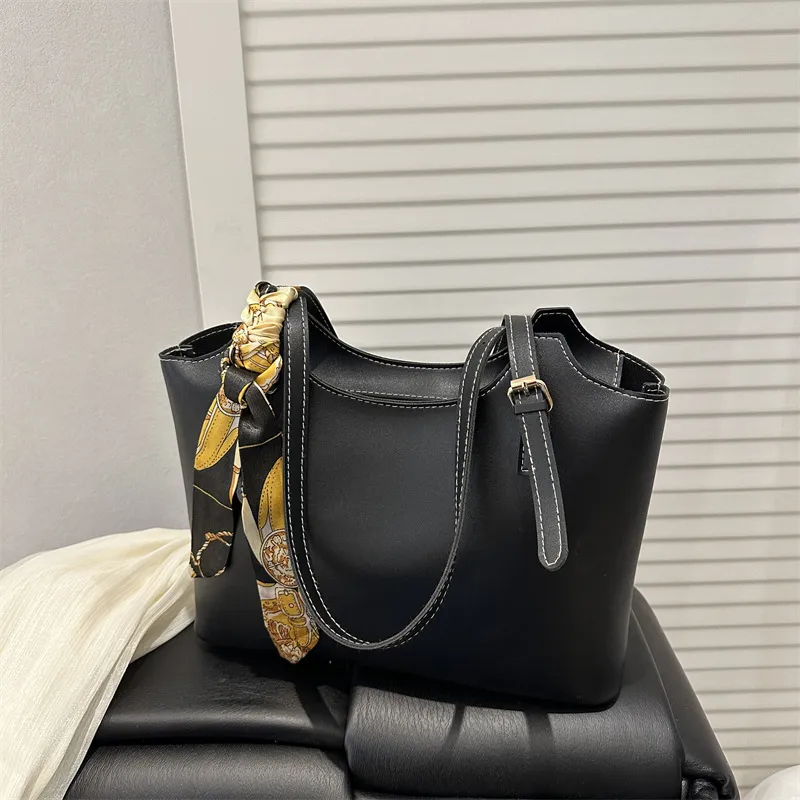
Crafting A Vision Before Crafting A Product
Any brand planning to introduce Custom Bags must first clarify what the product stands for. Success requires a disciplined approach, not superficial guesswork. The bag must fit the brand’s market positioning, target users, functionality requirements, and price strategy. Beginners who rush into sampling without a clear concept often end up wasting months and burning unnecessary costs.
OEM/ODM services make the process streamlined, but only if the brand understands how to leverage them strategically. OEM allows you to produce Custom Tote Bags, Custom Handbags, or any format based on your own design. ODM allows you to take proven factory-developed designs—such as Custom Backpacks, Custom Drawstring Bags, or Custom Duffle Bags—and quickly apply your branding. For new brands, ODM accelerates entry. For established labels, OEM ensures exclusivity. The correct choice depends entirely on your business model and risk tolerance.
A powerful design begins with a precise definition of purpose. A work-focused audience needs practicality and technology-driven structure. A fashion-driven audience needs silhouette precision and trend awareness. A luxury audience requires material distinction and exceptional craftsmanship. Only after defining purpose can you determine whether your collection will include minimalist Custom Shopping Bags, compact Custom Wallets, sleek Custom Crossbody Bags, or performance-oriented Custom Backpacks. Purpose dictates structure. Structure dictates materials. Materials dictate cost. And cost dictates your brand’s profit ceiling.
A professional custom bag supplier with strong design and R&D capability becomes your most strategic partner in this stage. A supplier with a real design team—not a factory pretending to have one—can translate brand identity into workable structures. They refine proportions, correct load-bearing points, improve stitching aesthetics, adjust lining thickness, and suggest hardware changes to elevate quality. Without strong R&D support, even promising concepts collapse during production.
Modern consumers scrutinize details. They judge quality through stitching straightness, hardware weight, edge paint smoothness, and zipper glide performance. A capable supplier ensures these details strengthen your brand narrative instead of exposing weaknesses. The right partner guarantees consistency whether you produce Custom Tote Bags, Custom Handbags, Custom Drawstring Bags, or Custom Duffle Bags.
Engineering Materials, Structure, and Craftsmanship
Material selection is one of the most decisive factors in custom bag success. A factory with an expansive, stable supply chain for leather, canvas, nylon, hardware, and eco-friendly alternatives gives your brand freedom to scale with strategy rather than limitation. For high-end Custom Bags and Custom Handbags, full-grain leather or premium microfiber leather may be essential. For environmentally responsible Custom Shopping Bags or Custom Tote Bags, RPET or organic cotton sends a clear sustainability message. For durability-driven Custom Backpacks or Custom Duffle Bags, ballistic nylon or high-density woven fabrics provide stronger performance.
The right material is not chosen by trend alone—it must match function, budget, brand tier, and consumer expectation. The supplier’s role is to guide you through the trade-offs:
– Leather offers luxury but raises production cost.
– PU offers versatility but requires careful grading to avoid cheap impressions.
– Nylon delivers durability but needs reinforcement in load-bearing areas.
– Eco-materials support brand values but require proper certification for global markets.
Hardware selection matters just as much. Cheap hardware can sabotage high-end Custom Crossbody Bags or Custom Wallets instantly. Factories with strong supply chains source durable zippers, rust-resistant metal, precise D-rings, engineered buckles, and custom-molded hardware. These do not merely decorate; they define reliability. A premium bag with poor hardware is not premium at all.
Structure is another critical layer. A well-structured bag maintains shape under weight, distributes load evenly, and preserves silhouette over time. A weak structure collapses, wrinkles, or bulges in the wrong places. For example, Custom Tote Bags require reinforced bottoms and seam stabilizers. Custom Handbags demand firm frame construction. Custom Backpacks require ergonomic padding and balanced compartment architecture. Custom Drawstring Bags require tension-tested cords. Custom Duffle Bags require strong webbing integration. Custom Wallets require millimeter-level precision to ensure smooth closing.
Achieving perfect structure requires advanced machinery and skilled technicians. Modern factories use laser cutters, computerized stitching machines, die-cutting equipment, embossing machines, and edge-sealing technology. Combined with manual craftsmanship—performed by trained artisans—this ensures clean construction, durable stitching, and aesthetic consistency.
For brands targeting rapid product launch cycles, fast sample development is essential. Top factories provide samples within 7–15 days and support multiple revisions. This agility shortens time-to-market and ensures your Custom Bags collection meets seasonal trends or promotional schedules.
Advanced craftsmanship also enhances branding possibilities. You can emboss logos on leather Custom Handbags, laser-etch hardware for Custom Backpacks, print patterns onto Custom Shopping Bags, embroider on Custom Tote Bags, heat-seal graphics on Custom Drawstring Bags, or create custom-engraved patches for Custom Duffle Bags. Additional customization on packaging—dust bags, boxes, hangtags, and wash labels—further strengthens identity and customer experience.
Cost Structure, Order Quantities, and Quality Assurance
Designing Custom Bags is both art and economics. You must build a product that looks premium while maintaining margins that keep your business profitable. Transparent pricing is the backbone of sustainable custom production. A professional factory will break down cost components clearly: materials, hardware, labor, complexity, molding fees, and packaging. This allows you to adjust specifications without destroying quality or pushing retail price beyond market acceptance.
Factories offering flexible MOQs (often 30–200 units) are ideal for new brands. Low entry thresholds allow you to test designs for Custom Tote Bags, Custom Crossbody Bags, Custom Backpacks, or Custom Wallets before committing to large inventory. This reduces financial risk and allows rapid experimentation. Meanwhile, larger brands benefit from stable production capacity and predictable lead times—usually 20–45 days for bulk manufacturing.
Quality control is non-negotiable. Without a strict QC process, a single batch of faulty Custom Handbags or Custom Duffle Bags can damage brand reputation instantly. Top factories operate with full IQC, IPQC, and FQC systems to ensure every phase—materials, production, finishing—is monitored. Some even support third-party inspection, giving brands complete transparency.
Global brands also require international compliance for materials and safety. REACH testing for EU markets, CPSIA for the US, colorfastness testing for fabrics, and hardware durability certification ensure products meet global standards. A capable factory with export experience understands international packaging rules and logistics coordination, preventing delays and customs issues.
To support fast-growing brands, some suppliers—such as FashionTIY—provide one-stop brand solutions: full series development, visual identity suggestions, market trend references, and even e-commerce photography. These integrated services allow emerging brands to launch Custom Bags collections with speed and precision rather than navigating fragmented services across multiple vendors.
Strategic Differentiation Through Brand Identity and User-Centric Details
Designing Custom Bags is not about adding pockets randomly or choosing trendy colors. It is about aligning product features with specific consumer lifestyles. This is where real differentiation occurs. Brands that understand user behavior build products that solve real problems and earn long-term loyalty.
Functionality must serve specific scenarios. Commuters need organized Custom Backpacks with padded laptop compartments. Travelers need spacious Custom Duffle Bags with smart pockets. Urban shoppers prefer lightweight Custom Shopping Bags and Custom Tote Bags. Fashion shoppers lean toward sculpted Custom Handbags and compact Custom Crossbody Bags. Minimalists gravitate toward refined Custom Wallets with slim profiles and efficient card layouts. Athletes and students appreciate breathable Custom Drawstring Bags with flexible structure.
Color decisions must align with brand identity and market trends. Luxury brands use restrained palettes: black, sand, taupe, deep wine. Streetwear brands explore bold contrasts. Sports brands lean toward high-visibility colors or performance finishes. Eco-conscious brands highlight natural tones and textures. The key is consistency—customers must instantly recognize your aesthetic.
Ergonomics must never be overlooked. Comfort influences long-term customer satisfaction more than visual appeal. Shoulder straps on Custom Crossbody Bags must distribute weight. Handles on Custom Tote Bags must avoid cutting into the hand. Back panels on Custom Backpacks must allow airflow. Drawstrings on Custom Drawstring Bags must tighten smoothly. Zippers on Custom Wallets must open without snagging.
Brand identity is reinforced through subtle but powerful elements:
– A signature puller on Custom Handbags
– A custom zipper head on Custom Backpacks
– A unique logo-embossing style on Custom Wallets
– A recognizable silhouette for Custom Crossbody Bags
– A trademark stitch pattern for Custom Tote Bags
– A distinctive side panel shape for Custom Duffle Bags
These recognizable details turn products into brand symbols rather than simple commodities.
Finally, packaging completes the experience. High-quality dust bags, rigid boxes, printed tissue, and premium hangtags elevate perception and justify higher pricing. Packaging for Custom Shopping Bags, Custom Crossbody Bags, Custom Handbags, or Custom Duffle Bags must reflect the tier of the product. Thoughtful packaging also improves unboxing satisfaction—critical for social media-driven sales.
Creating Custom Bags that dominate the market requires ruthless clarity, uncompromising quality standards, and a deep understanding of design principles. Every decision—from OEM or ODM selection, material engineering, structural reinforcement, branding execution, production scheduling, to QC protocols—determines whether a product becomes a bestseller or disappears unnoticed. Brands that take custom manufacturing seriously build collections that capture attention, earn loyalty, and scale internationally. Those who treat it casually get lost in a sea of sameness.
When executed with precision, Custom Tote Bags, Custom Handbags, Custom Backpacks, Custom Drawstring Bags, Custom Shopping Bags, Custom Duffle Bags, Custom Crossbody Bags, and Custom Wallets become powerful brand assets, not just accessories. They tell stories. They communicate value. They build identity. And they become the foundation of sustainable brand growth.
This is the real blueprint for designing custom bags that win—not by accident, but by strategy.


Comments
Post a Comment