What Are Some Tips for Starting Your Wholesale Clothing Sets?
The global apparel market is not driven by guesswork, sentiment, or blind trend-chasing. It is driven by volume logic, cost leverage, supply chain efficiency, and decisive execution. If you are entering the world of wholesale clothing sets, hesitation is expensive and confusion is fatal. Wholesale clothing is not retail with bigger numbers — it is a completely different battlefield that rewards structure, planning, and supplier control.
Clothing sets dominate modern wholesale because they simplify inventory, raise average order value, and reduce styling friction for end customers. From casual loungewear to coordinated seasonal outfits, sets move faster, scale better, and protect margins more aggressively than single garments. Whether you are targeting women, men, or kids, the rules remain ruthless: understand wholesale, master customization, respect manufacturing realities, and leverage integrated supply.
FashionTIY website: 70%+ Cheap Best Wholesale Market and Suppliers!
That statement alone reflects where this industry is heading — factory-linked, cost-driven, fast-moving, and unforgiving to inefficiency.
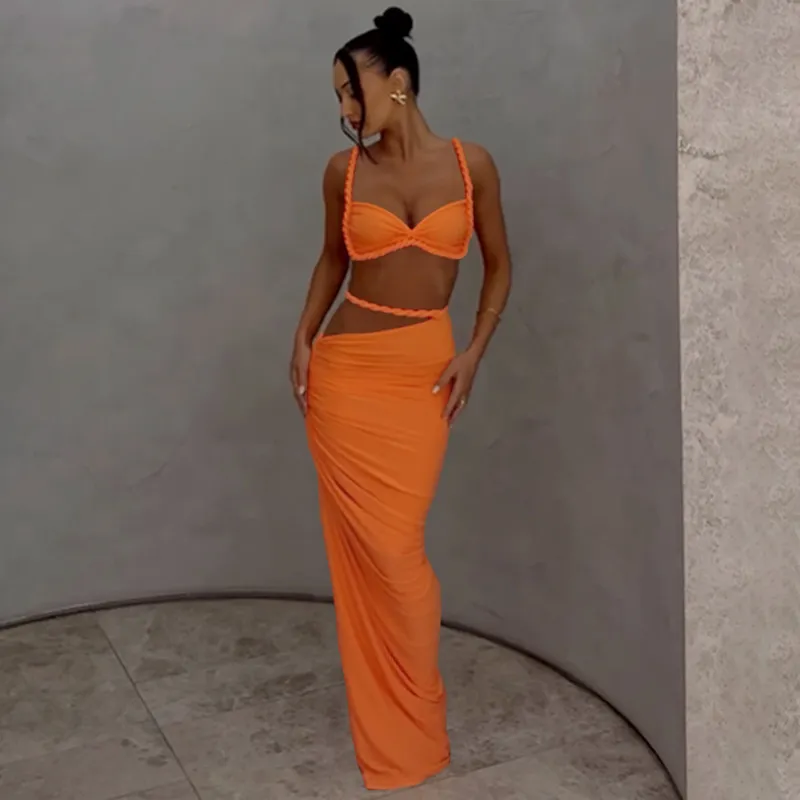
Understanding the Real Nature of Wholesale Clothing Sets
Wholesale clothing sets exist to compress cost and expand margin. There is no romance here — only arithmetic. When you purchase Wholesale Clothing Sets, you are not buying fashion; you are buying inventory strategy.
Wholesale operates on scale. Suppliers sell by cartons, bundles, or fixed packs — 10 sets, 50 sets, 100 sets per style. The unit cost drops sharply as volume rises, allowing resellers to undercut competitors or protect profit even during promotions. This is why categories such as Wholesale Two Piece Sets dominate online boutiques and fast-fashion platforms: they are easy to sell, easy to stock, and easy to replenish.
Another defining trait is assortment logic. Sets are rarely sold as isolated SKUs. Instead, wholesalers ship size-ratio packs and style collections designed to cover the widest consumer base with minimal SKU management. A single order might include S–M–L–XL assortments or seasonal groupings such as spring lounge sets, fall knit sets, or athleisure collections. This model reduces dead stock and increases turnover velocity.
Product diversity is non-negotiable. Serious wholesalers cover multiple verticals simultaneously. You cannot rely on a single category. Strong catalogs include Wholesale Joggers Sets, Wholesale Skirts Sets, Wholesale Shorts Sets, and coordinated casualwear that can rotate across seasons. For women-focused sellers, Wholesale Joggers Sets Womens deliver unmatched repeat-purchase potential due to comfort trends and social media demand.
Gender and age segmentation further defines wholesale success. Wholesale Men Sets offer consistency and lower return rates, while Wholesale Kids Sets thrive on repeat sizing cycles and seasonal replacement. Ignoring any segment limits growth and weakens supplier negotiation power.
MOQ discipline is another unavoidable reality. Most suppliers enforce minimum order quantities — often 20–50 sets per style — because production, storage, and logistics costs demand it. Lower MOQ means higher unit cost; higher MOQ unlocks real pricing power. There is no workaround, only strategy.
Speed matters just as much as price. Mature wholesalers maintain ready stock or fast replenishment pipelines, delivering within 7–15 days for most international orders. Global shipping options and stable logistics partners separate professional suppliers from amateur resellers.
Wholesale is not about “trying.” It is about committing capital intelligently and executing at scale.
Customization: Turning Sets Into Brand Assets
Customization is where wholesalers evolve into brand builders. If wholesale gives you speed, customization gives you identity. The difference between selling and scaling lies here.
Custom clothing sets allow buyers to control fabric selection, color palettes, prints, cuts, and finishing details. This flexibility transforms generic inventory into exclusive merchandise. Custom Women Sets dominate this space because women’s fashion thrives on differentiation. Prints, silhouettes, and coordinated styling are brand weapons, not decoration.
Branding elements elevate perceived value instantly. Logos, woven labels, hangtags, wash labels, and packaging inserts convert anonymous products into branded experiences. The same base product can sell for double the price when properly branded. This is equally true for Custom Mens Sets, where minimalist branding and fit consistency create long-term loyalty, and for Custom Kids Sets, where parents value uniformity, safety labeling, and recognizable identity.
Customization always carries higher MOQs and higher costs. Typical minimums range from 100–300 sets per style due to pattern making, sampling, and production setup. As customization depth increases, so does per-unit cost. This is not a disadvantage — it is a filter that keeps amateurs out and professionals in.
Sampling is non-negotiable. The customization workflow is rigid for a reason:
Design concept or reference submission
Pattern making and sample production
Sample review and approval
Bulk production
Quality inspection and delivery
Skipping steps guarantees failure. Samples protect you from fabric mismatch, sizing errors, and print defects. Yes, it extends lead time compared to ready-stock wholesale, but it prevents brand-killing mistakes.
Customization is not for those seeking instant profit. It is for sellers building long-term value. When executed correctly, customized sets eliminate price wars, increase customer retention, and create defensible market positions.
Wholesale sells today. Customization builds tomorrow.
Manufacturing Power and OEM / ODM Strategy
Manufacturing is the backbone of sustainable wholesale operations. Without production control, you are always vulnerable — to shortages, price hikes, and inconsistent quality.
Manufacturers operate at scale. They own workshops, sewing lines, skilled labor, and production schedules. This allows them to absorb large orders, control costs, and maintain consistent output. When volume rises, cost per unit falls dramatically. This is how profitable wholesalers dominate markets without sacrificing quality.
Supply chain integration is the real advantage. Manufacturers work directly with fabric mills, accessory suppliers, printing facilities, and dye houses. Fewer intermediaries mean faster lead times and lower costs. This integration also allows flexible production planning — increasing or decreasing output based on demand signals.
OEM and ODM services define how you interact with manufacturers. OEM focuses on execution: you provide the design, they produce. ODM goes further: manufacturers provide design, sampling, and production as a complete package. For startups and emerging brands, ODM is often the fastest route to market credibility.
Quality control is not optional. Professional manufacturers enforce multi-stage inspections covering fabric integrity, measurements, stitching, and finishing. Many also provide third-party inspection reports and compliance documentation for international markets. This protects you from returns, chargebacks, and reputational damage.
Manufacturing is not about creativity. It is about discipline, repeatability, and scale. Without it, wholesale remains fragile and reactive.
Integrating Wholesale, Customization, and Manufacturing for Dominance
The most powerful suppliers today do not offer single services — they offer ecosystems. Wholesale stock, customization options, and in-house manufacturing under one roof is the ultimate competitive advantage.
One-stop sourcing eliminates friction. Buyers can test markets using ready stock, differentiate through small-batch customization, and scale through mass production — all with the same supplier. This continuity reduces errors, shortens lead times, and strengthens negotiation leverage.
Profit margins expand when middlemen disappear. Factory-direct sourcing cuts costs while enabling premium pricing on branded products. Sellers who combine wholesale volume with custom exclusivity outperform competitors stuck in resale cycles.
Inventory flexibility becomes strategic. Fast-moving styles can be replenished instantly from stock, while custom designs receive dedicated production slots. This balance prevents overstock and missed sales opportunities.
Critical factors determine success across wholesale, customization, and manufacturing:
Fabric selection defines cost, durability, and comfort
Production techniques influence customization depth and pricing
MOQ thresholds affect cash flow and flexibility
Logistics and tariffs impact delivery speed and landed cost
Quality control systems determine customer satisfaction and return rates
Service selection must match your business model. Retailers and e-commerce sellers should prioritize ready-stock wholesale with limited customization to minimize risk. Brand entrepreneurs should invest in OEM or ODM manufacturing to control identity and supply. Distributors gain power by combining wholesale inventory with private-label customization.
Categories must be diversified intelligently. Alongside core Wholesale Clothing Sets, successful sellers rotate Wholesale Joggers Sets, Wholesale Skirts Sets, Crop Top Skirt Set Wholesale options for trend responsiveness, and seasonal Wholesale Shorts Sets for climate-driven demand. Gender and age segmentation through Wholesale Men Sets and Wholesale Kids Sets ensures year-round revenue stability.
Customization layers elevate these categories into brand assets. Custom Women Sets, Custom Mens Sets, and Custom Kids Sets transform basic products into scalable businesses.
This is not an industry for hesitation. It rewards those who understand structure, respect scale, and act decisively.
FashionTIY website: 70%+ Cheap Best Wholesale Market and Suppliers!
Wholesale clothing sets are not a trend. They are the infrastructure of modern apparel commerce. Those who master them do not compete — they dominate.


Comments
Post a Comment